

Conversas com Cinema© PROSA
Ciclo
O ANIMAL COMO O OUTRO
[THE ANIMAL AS THE OTHER Cinema Screenings]
Curadoria de Alexandre Braga
Ao longo da história, habituámo-nos a olhar para os animais como espelhos de nós próprios. Transformámo-los em símbolos, metáforas e personagens das nossas histórias, atribuindo-lhes virtudes e defeitos que pertenciam, afinal, ao universo humano. O leão tornou-se coragem, a raposa astúcia, o cordeiro inocência. Mesmo quando os amámos, fizemo-lo muitas vezes sem verdadeiramente os encontrar.
Mas talvez uma das mudanças mais profundas do pensamento contemporâneo consista precisamente em abandonar essa posição. Já não se trata de perguntar o que o animal representa, mas de reconhecer que ele próprio é um sujeito de experiência, um habitante do mundo cuja existência não depende do nosso olhar nem da nossa interpretação. O animal deixa de ser cenário ou alegoria para surgir como o outro: alguém cuja diferença não precisa de ser anulada para que possamos estabelecer uma relação.
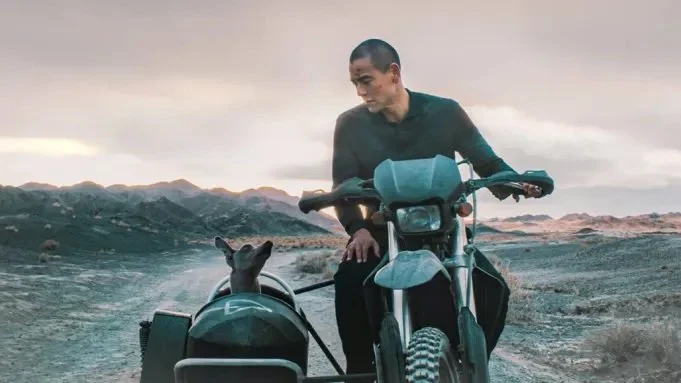
É neste território que se encontram EO, de Jerzy Skolimowski, e Black Dog, de Guan Hu. Embora profundamente distintos, ambos recusam utilizar o animal como simples instrumento narrativo. Em EO, seguimos o percurso de um burro através de uma Europa fragmentada, descobrindo um mundo onde a crueldade e a compaixão humanas se revelam a partir da sua perspetiva silenciosa. Em Black Dog, a inesperada amizade entre um homem e um cão abandonado não constitui uma história de domesticação nem de redenção sentimental. É antes o lento nascimento de uma relação onde ambos se transformam mutuamente.
Após as projeções, propomos uma conversa em torno da ideia "O animal como o outro."
Num tempo marcado por crises ecológicas, pela erosão da biodiversidade e por uma crescente consciência da nossa interdependência com todas as formas de vida, talvez seja necessário reaprender a habitar o mundo. Pensadores como Donna Haraway, Baptiste Morizot ou Bruno Latour recordam-nos que viver não significa ocupar um planeta rodeado de natureza, mas participar numa comunidade de seres cuja existência se entrelaça continuamente com a nossa.
Talvez seja essa uma das experiências mais discretas e transformadoras que o cinema ainda nos pode oferecer: descobrir que o encontro com um animal não nos aproxima de uma natureza perdida, mas de uma humanidade que permanece por cumprir. Porque, quando deixamos finalmente de olhar o animal como reflexo de nós mesmos, começamos também a descobrir aquilo que ainda não aprendemos sobre quem somos.
(Curadoria de Alexandre Braga)
_ENG
Throughout history, we have grown accustomed to seeing animals as mirrors of ourselves. We turned them into symbols, metaphors and characters in our stories, assigning them virtues and flaws that ultimately belonged to the human world. The lion became courage, the fox cunning, the lamb innocence. Even when we loved animals, we often did so without truly encountering them.
Perhaps one of the most profound shifts in contemporary thought lies precisely in moving beyond this perspective. The question is no longer what the animal represents, but rather how to recognise it as a subject of experience in its own right – a being that inhabits the world independently of our gaze or our interpretations. The animal ceases to function as scenery or allegory and instead emerges as the Other: a living presence whose difference does not need to be erased for a genuine relationship to become possible.
It is within this territory that EO, by Jerzy Skolimowski, and Black Dog, by Guan Hu, meet. Although profoundly different films, both refuse to use the animal as a mere narrative device. In EO, we follow the journey of a donkey across a fragmented Europe, discovering a world where human cruelty and compassion are revealed through its silent perspective. In Black Dog, the unexpected bond between a man and an abandoned black dog is neither a story of domestication nor one of sentimental redemption. Instead, it becomes the slow emergence of a relationship in which both are transformed by one another.
Following the screenings, we invite you to join an open conversation around the theme “The Animal as the Other.”
At a time shaped by ecological crises, accelerating biodiversity loss and a growing awareness of our interdependence with all forms of life, we may need to relearn how to inhabit the world. Thinkers such as Donna Haraway, Baptiste Morizot and Bruno Latour remind us that living does not mean occupying a planet surrounded by nature, but participating in a shared community of beings whose lives are continuously entangled with our own.
Perhaps this is one of the cinema’s quietest and most transformative gifts: to reveal that encountering an animal does not bring us back to a lost idea of nature, but instead draws us closer to a form of humanity that remains unfinished. For when we finally stop seeing the animal as a reflection of ourselves, we also begin to discover what we have yet to learn about who we are.
(Curatorship by Alexandre Braga)
“EO” 2022 | M/16 | 1h28’ [PL/IT]
De Jerzy Skolimowski
Sexta Dia 11/09 às 19h30 [Friday 09/11 at 7:30pm]
Ao longo da sua jornada, um burro cruza-se com pessoas bondosas e cruéis, conhece momentos de alegria e de sofrimento e oferece-nos um olhar singular sobre a Europa contemporânea através dos seus próprios olhos.
Follows a donkey who encounters on his journeys good and bad people, experiences joy and pain, exploring a vision of modern Europe through his eyes.
Spoken in Polish/Italian | Subtitled in English
“BLACK DOG” 2024 | M/14 | 1h50’ [CN] (Cão Preto - PT)
De Guan Hu
Sábado Dia 12/09 às 19h30 [Saturday 09/12 at 7:30pm]
Após cumprir pena de prisão, Lang regressa à sua cidade natal, no noroeste da China. Integrando uma brigada encarregada de recolher os cães vadios antes dos Jogos Olímpicos de 2008, cria uma inesperada ligação com um cão preto abandonado. Juntos, estes dois seres solitários iniciam uma nova viagem.
Released from jail, Lang returns to his hometown in Northwest China. As part of a dog patrol tasked with clearing stray dogs before the 2008 Olympics, he bonds with a black stray. The two lonely souls embark on a new journey together.
Spoken in Chinese | Subtitled in English
Todos os filmes do Cinema PROSA serão exibidos em pixel iluminado (ecrã QLED 65’’) em sala condicionada ao máximo de 24 espectadores.
Preçário
Membros: Entrada livre.
Não-membros: Donativo sugerido de 3€
All Cinema PROSA films will be shown on an illuminated pixel (65’’ QLED screen) in a room with a maximum capacity of 24 spectators.
Prices
Members: Free Entry.
Non-members: Suggested donation of 3€.
Trailers: