

Conversas com Cinema© PROSA
Ciclo
SOBRE A
NATUREZA HUMANA III
[ON HUMAN NATURE III Cinema Screenings]
(Curadoria de Alexandre Braga)
Há um momento na vida em que o tempo deixa de ser apenas aquilo que passa e começa a tornar-se aquilo que permanece em nós. Nas memórias que guardamos, nos afetos que construímos, nas escolhas que fizemos e, sobretudo, naquilo que ainda somos capazes de descobrir. Talvez seja precisamente aí, quando a existência nos confronta com a sua fragilidade, que algumas das mais profundas manifestações da natureza humana se tornam visíveis.
O ciclo SOBRE A NATUREZA HUMANA regressa à PROSA para a sua terceira edição, prolongando uma reflexão sobre as complexidades do comportamento humano, os nossos desejos, contradições e formas de nos relacionarmos com o mundo. Depois de explorarmos a intimidade, a alteridade, a inocência e os vínculos que nos constituem, propomos agora dois filmes que encontram, no avançar da idade, um território extraordinário de descoberta: Poetry (2010), de Lee Chang-dong, e Nebraska (2013), de Alexander Payne.
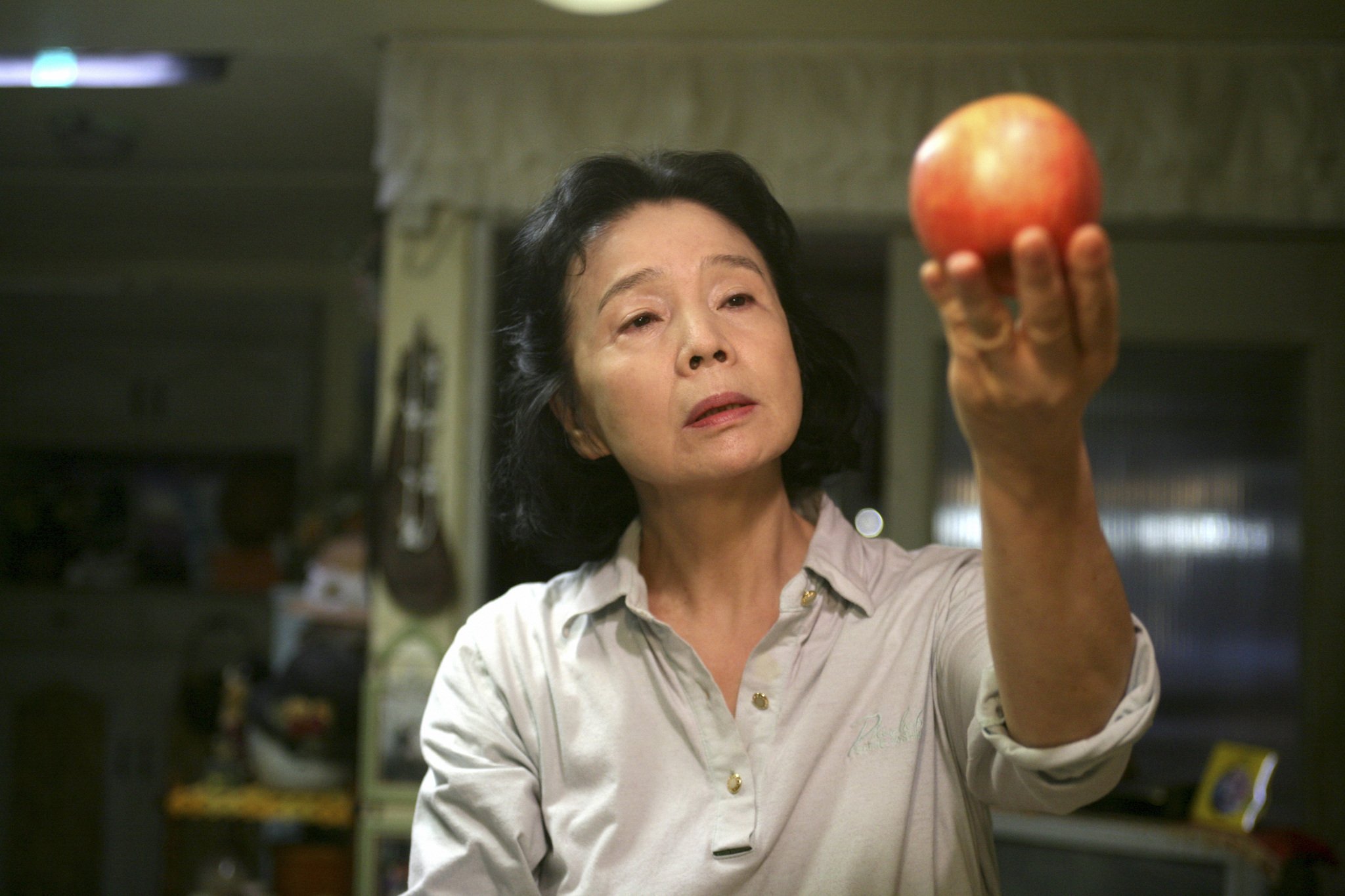
Em Poetry, acompanhamos Mija, uma mulher que começa a perder a memória precisamente quando descobre, através da poesia, uma nova maneira de olhar para o mundo. Confrontada com uma realidade moralmente perturbadora, procura nas palavras uma possibilidade de compreender aquilo que a rodeia. Mas a poesia, aqui, não surge como refúgio perante a crueldade humana. Pelo contrário, exige uma atenção renovada à realidade, à beleza das pequenas coisas e ao sofrimento dos outros. Lee Chang-dong constrói uma obra de extraordinária delicadeza sobre a responsabilidade, a dignidade e a capacidade de encontrar sentido mesmo quando a própria linguagem parece começar a escapar-nos.
Em Nebraska, Alexander Payne conduz-nos por uma América rural, envelhecida e aparentemente esquecida, através da viagem de um pai e de um filho em busca de um prémio que provavelmente nunca existiu. Filmado num belíssimo preto e branco, o filme transforma uma história aparentemente banal numa reflexão profundamente humana sobre a memória, as ilusões e os afetos que tantas vezes não sabemos expressar. Entre o humor, a obstinação e uma melancolia discreta, descobrimos que aquela viagem talvez nunca tenha sido sobre dinheiro, mas sobre a possibilidade de um filho reconhecer o homem que existe para além da figura do seu pai.
Há algo que aproxima profundamente estas duas obras: ambas nos mostram personagens que, perante a erosão das suas certezas, continuam a procurar alguma forma de sentido. Mija procura a palavra certa para nomear o mundo; Woody procura uma promessa que lhe permita continuar a acreditar nele. Uma encontra na poesia a possibilidade de olhar de novo; o outro encontra, talvez sem o saber, na companhia do filho uma última oportunidade de ser verdadeiramente visto.
Envelhecer não significa apenas perder alguma coisa. Significa também continuar a existir perante aquilo que inevitavelmente se transforma. E talvez uma das nossas maiores dificuldades, enquanto seres humanos, seja precisamente reconhecer que a dignidade de uma vida não reside na sua produtividade, na lucidez permanente ou na capacidade de corresponder às expectativas dos outros, mas na singularidade irrepetível de cada existência.
Ao encerrarmos mais um ano de CONVERSAS COM CINEMA©, queremos fazê-lo com estas duas obras de uma humanidade imensa, que nos convidam a olhar com maior atenção para aqueles que nos rodeiam — e, inevitavelmente, para nós próprios. Porque compreender a natureza humana talvez seja também aprender a reconhecer, nas fragilidades dos outros, aquilo que um dia poderemos encontrar em nós.
E porque, por vezes, o mais belo que podemos oferecer a alguém não é uma resposta, mas o tempo e a disponibilidade para o acompanhar.
(Curadoria de Alexandre Braga)
_ENG
There comes a moment in life when time ceases to be merely something that passes and begins to become something that remains within us. In the memories we preserve, the bonds we forge, the choices we have made and, above all, in what we are still capable of discovering. Perhaps it is precisely here, when existence confronts us with its own fragility, that some of the deepest expressions of human nature become visible.
The ON HUMAN NATURE film series returns to PROSA for its third edition, continuing a reflection on the complexities of human behaviour, our desires, contradictions, and ways of relating to the world. Having explored intimacy, otherness, innocence, and the bonds that shape us, we now present two films that find, in the passage of time and the experience of growing older, an extraordinary territory of discovery: Poetry (2010), by Lee Chang-dong, and Nebraska (2013), by Alexander Payne.
In Poetry, we follow Mija, a woman who begins to lose her memory at the very moment she discovers, through poetry, a new way of looking at the world. Confronted with a deeply disturbing moral reality, she seeks in words a means of understanding what surrounds her. Yet poetry, here, does not emerge as a refuge from human cruelty. On the contrary, it demands a renewed attentiveness to reality, to the beauty of small things, and to the suffering of others. Lee Chang-dong creates a work of extraordinary delicacy about responsibility, dignity, and the capacity to find meaning even as language itself seems to begin slipping away.
In Nebraska, Alexander Payne takes us through a rural, ageing, and seemingly forgotten America, following a father and son on a journey in pursuit of a prize that almost certainly never existed. Shot in beautiful black and white, the film transforms an apparently ordinary story into a profoundly human reflection on memory, illusion, and the affections we so often struggle to express. Between humour, stubbornness, and a quiet melancholy, we come to realise that this journey may never have been about money at all, but rather about the possibility of a son recognising the man who exists beyond the figure of his father.
Something deeply connects these two works: both portray characters who, faced with the erosion of their certainties, continue searching for some form of meaning. Mija searches for the right words to name the world; Woody pursues a promise that allows him to go on believing in it. One finds in poetry the possibility of seeing anew; the other finds, perhaps without even realising it, in his son's companionship one last opportunity to be truly seen.
Growing older does not simply mean losing something. It also means continuing to exist in the face of everything that inevitably changes. And perhaps one of our greatest difficulties as human beings lies precisely in recognising that the dignity of a life does not reside in its productivity, in unbroken lucidity, or in the ability to meet the expectations of others, but in the irreducible uniqueness of each existence.
As we bring another year of CONVERSAS COM CINEMA© to a close, we wish to do so with these two profoundly humane films, which invite us to look more attentively at those around us — and, inevitably, at ourselves. For understanding human nature may also mean learning to recognise, in the fragilities of others, something we may one day encounter within ourselves.
And because, sometimes, the most beautiful thing we can offer another person is not an answer, but the time and willingness to accompany them.
(Curatorship by Alexandre Braga)
“POETRY” 2010 | M/12 | 2h19’ [KOR/FR] (Poesia - PT)
De Lee Chang-dong
Sexta Dia 04/12 às 19h30 [Friday 12/04 at 7:30pm]
Uma mulher na casa dos sessenta anos, confrontada com a descoberta de um crime hediondo cometido no seio da família e com os primeiros sinais da doença de Alzheimer, encontra um novo sentido para a vida ao inscrever-se numa oficina de poesia.
A sixty-something woman, faced with the discovery of a heinous family crime and in the early stages of Alzheimer's disease, finds strength and purpose when she enrolls in a poetry class.
Spoken in Korean | Subtitled in English
“NEBRASKA” 2013 | 1h55’ [US]
De Alexander Payne
Sábado Dia 05/12 às 19h30 [Saturday 12/05 at 7:30pm]
Um pai idoso, obstinado e marcado pelo alcoolismo, convence o filho, de quem se foi afastando ao longo dos anos, a acompanhá-lo numa viagem do Montana até ao Nebraska para reclamar um alegado prémio de um milhão de dólares.
An aging, booze-addled father makes the trip from Montana to Nebraska with his estranged son in order to claim a million-dollar Mega Sweepstakes Marketing prize.
Spoken in English | Subtitled in Portuguese
Todos os filmes do Cinema PROSA serão exibidos em pixel iluminado (ecrã QLED 65’’) em sala condicionada ao máximo de 24 espectadores.
Preçário
Membros: Entrada livre.
Não-membros: Donativo sugerido de 3€
All Cinema PROSA films will be shown on an illuminated pixel (65’’ QLED screen) in a room with a maximum capacity of 24 spectators.
Prices
Members: Free Entry.
Non-members: Suggested donation of 3€.
Trailers: