

Conversas com Cinema© PROSA
Ciclo
FATHER FIGURES
[FATHER FIGURES Cinema Screenings]
Trinta anos antes de vencer 3 Óscares por ONE BATTLE AFTER ANOTHER, Paul Thomas Anderson já explorava figuras paternas na sua estreia em longa-metragem, HARD EIGHT, também conhecido como SYDNEY (1996). Um envolvente drama criminal sobre um jogador veterano (Philip Baker Hall) que toma um jovem (John C. Reilly) sob a sua alçada, o filme explora uma ambígua relação de “pai e filho”. Gwyneth Paltrow, Samuel L. Jackson e Philip Seymour Hoffman completam o elenco. Este continua a ser o filme menos conhecido de Paul Thomas Anderson (o seu grande reconhecimento chegaria no ano seguinte com BOOGIE NIGHTS), mas o seu talento natural já é bem evidente aqui. Para quem admira o seu trabalho, é fascinante analisar as figuras paternas nos seus filmes por ordem cronológica. Os seus filmes apresentam uma miríade de personagens que representam figuras paternas complexas: Burt Reynolds em BOOGIE NIGHTS (1997), Jason Robards, Philip Baker Hall (novamente!) e Michael Bowen em MAGNOLIA (1999), Daniel Day-Lewis em THERE WILL BE BLOOD (2007), Philip Seymour Hoffman em THE MASTER (2012) e, por fim, Leonardo DiCaprio em ONE BATTLE AFTER ANOTHER (2025). PTA explora as figuras paternas a partir do ponto de vista dos filhos (muitas vezes marcados) na maioria dos seus filmes. Em ONE BATTLE AFTER ANOTHER, agora com 55 anos (e pai de quatro filhos), realizou um filme em que parece questionar abertamente a sua culpa e responsabilidade por não ter tornado o mundo um lugar melhor e mais seguro para as gerações mais jovens. Em HARD EIGHT, já se vislumbra outro tipo de desilusão, envolto naquilo que aparenta ser um típico filme de crime.
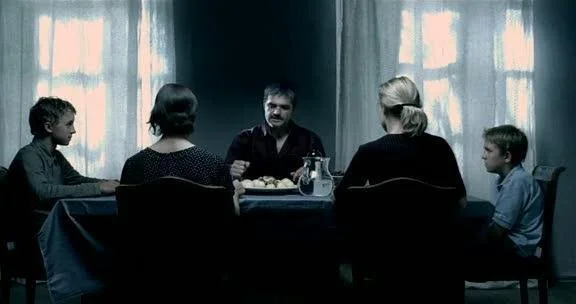
THE RETURN (2003), de Andrey Zvyagintsev, aborda uma relação pai-filho mais literal do que HARD EIGHT — mas também é contido na sua abordagem cinematográfica e, no final, devastador. Contando a história de dois rapazes russos que são levados numa viagem de férias pelo seu pai austero — que regressa subitamente a casa após uma ausência de 12 anos —, é um filme que revela, de forma paciente, a verdadeira natureza das suas personagens. Foi também a estreia em longa-metragem de Zvyagintsev e venceu o cobiçado Leão de Ouro para Melhor Filme no Festival de Veneza. THE RETURN e HARD EIGHT são dois dos melhores debuts do cinema moderno. Parecem dizer-nos que, embora a maioria dos pais esteja apenas a fazer o melhor que pode, isso não serve de desculpa para os danos frequentemente causados pelas suas ações.
(Curadoria de Aluísio Leite)
_ENG
Thirty years before winning 3 Oscars for ONE BATTLE AFTER ANOTHER, Paul Thomas Anderson was already exploring paternal figures in his feature debut, HARD EIGHT aka SYDNEY (1996). A captivating crime drama about a senior gambler (Philip Baker Hall) who takes a young man (John C. Reilly) under his wing, the film explores an ambiguous "father-son" relationship. Gwyneth Paltrow, Samuel L. Jackson and Philip Seymour Hoffman round out the cast. This remains Paul Thomas Anderson's least known film (his big break would come the next year with BOOGIE NIGHTS), but his natural talent is already present here. For those who admire his work, it's fascinating to analyze the paternal figures in his films in chronological order. His films feature a myriad of characters who represent complex father figures: Burt Reynolds in BOOGIE NIGHTS (1997), Jason Robards, Philip Baker Hall (again!) and Michael Bowen in MAGNOLIA (1999), Daniel Day-Lewis in THERE WILL BE BLOOD (2007), Philip Seymour Hoffman in THE MASTER (2012), and finally, Leonardo DiCaprio in ONE BATTLE AFTER ANOTHER (2025). PTA explored father figures from the (often damaged) offspring's POV in most of his films. In ONE BATTLE AFTER ANOTHER, the now 55-year-old (father of four) has made a film where he seems to openly question his guilt and responsibility for not making the world a better, safer place for the younger generation. In HARD EIGHT, you can see another kind of disillusionment, wrapped up in what seems to be a conventional crime flick.
Andrey Zvyagintsev's THE RETURN (2003) deals with a more literal father-son relationship than HARD EIGHT - but it's also understated in its filmic approach, and ultimately devastating. Telling the story of two Russian boys who are taken on a holiday trip by their strict father - who suddenly returned home after a 12-year absence - is a film which patiently reveals its characters' true nature. It was also Zvyagintsev's feature debut, and won the coveted Golden Lion for Best Film at the Venice Film Festival. THE RETURN and HARD EIGHT are two of the finest debuts in modern cinema. They seem to tell us that even though most fathers are just doing the best they can, this is no excuse for the damage often caused by their actions.
(Curatorship by Aluísio Leite)
“HARD EIGHT” 1996 | M/18 | 1h42’ [US] (Passado Sangrento - PT)
De Paul Thomas Anderson
Sexta Dia 17/04 às 19h30 [Friday 04/17 at 7:30pm]
Sydney, um jogador profissional experiente, acolhe um jovem perdido e ensina-lhe os códigos do mundo dos casinos. À medida que novas relações se formam, segredos do passado ameaçam desestabilizar essa frágil rede de lealdades.
Sydney, a seasoned gambler, takes a lost young man under his wing and introduces him to the codes of the casino world. As new relationships emerge, buried secrets threaten their fragile bond.
Spoken in English | Subtitled in Portuguese
“THE RETURN” 2003 | M/16 | 1h50’ [RU] (Vozvrashchenie - RU)
De Andrey Zvyagintsev
Sábado Dia 18/04 às 19h30 [Saturday 04/18 at 7:30pm]
Após anos de ausência, um pai regressa inesperadamente e leva os dois filhos numa viagem por paisagens remotas da Rússia. O percurso transforma-se num confronto silencioso sobre autoridade, confiança e o enigma da figura paterna.
After years of absence, a father suddenly returns and takes his two sons on a journey through the remote Russian landscape. The trip becomes a tense confrontation about authority, trust, and the mystery of fatherhood.
Spoken in Russian | Subtitled in English
Todos os filmes do Cinema PROSA serão exibidos em pixel iluminado (ecrã QLED 65’’) em sala condicionada ao máximo de 24 espectadores.
Preçário
Membros: Entrada livre.
Não-membros: Donativo sugerido de 3€
All Cinema PROSA films will be shown on an illuminated pixel (65’’ QLED screen) in a room with a maximum capacity of 24 spectators.
Prices
Members: Free Entry.
Non-members: Suggested donation of 3€.
Trailers: